There is something rather remarkable that happens when you gather a room full of people who understand one another without needing much explanation.
Not because they all run the same kind of business, nor because they share identical ambitions, but because they carry the same invisible weight. The responsibility of leading a studio. The constant balancing act between creativity and commerciality. The pressure of supporting clients, leading teams, making difficult decisions and somehow still finding enough energy to remain inspired by the work they once fell in love with.
Running an interior design studio is one of the most rewarding careers imaginable, but it can also be an unexpectedly lonely one. Ours is an industry built on beautiful finished projects, carefully curated portfolios and polished social media feeds, yet behind every successful studio is a founder navigating uncertainty and questioning themselves far more often than many people would imagine.
Perhaps that is why this year's Business of Interiors Community Summit felt so significant.
It wasn't simply because we were fortunate enough to spend two days in some of London's most inspiring design spaces, or because of the generosity of our speakers. It felt significant because, over the course of two days, thirty-five studio founders chose honesty over perfection. They chose curiosity over comparison and, in doing so, reminded one another why community matters.
Our theme this year was resilience, although not resilience in the way we often hear it described. We weren't interested in encouraging designers to simply keep pushing through. Instead, we wanted to explore the quieter kind of resilience required to build a creative business over many years.
As guests arrived at V-ZUG's Marylebone showroom on the first morning, there was an unmistakable sense of anticipation. Some were returning after previous Summits, greeting familiar faces and continuing conversations that had begun months earlier. Others were joining us for the first time, quickly discovering that this wasn't an event where anyone needed to prove themselves.
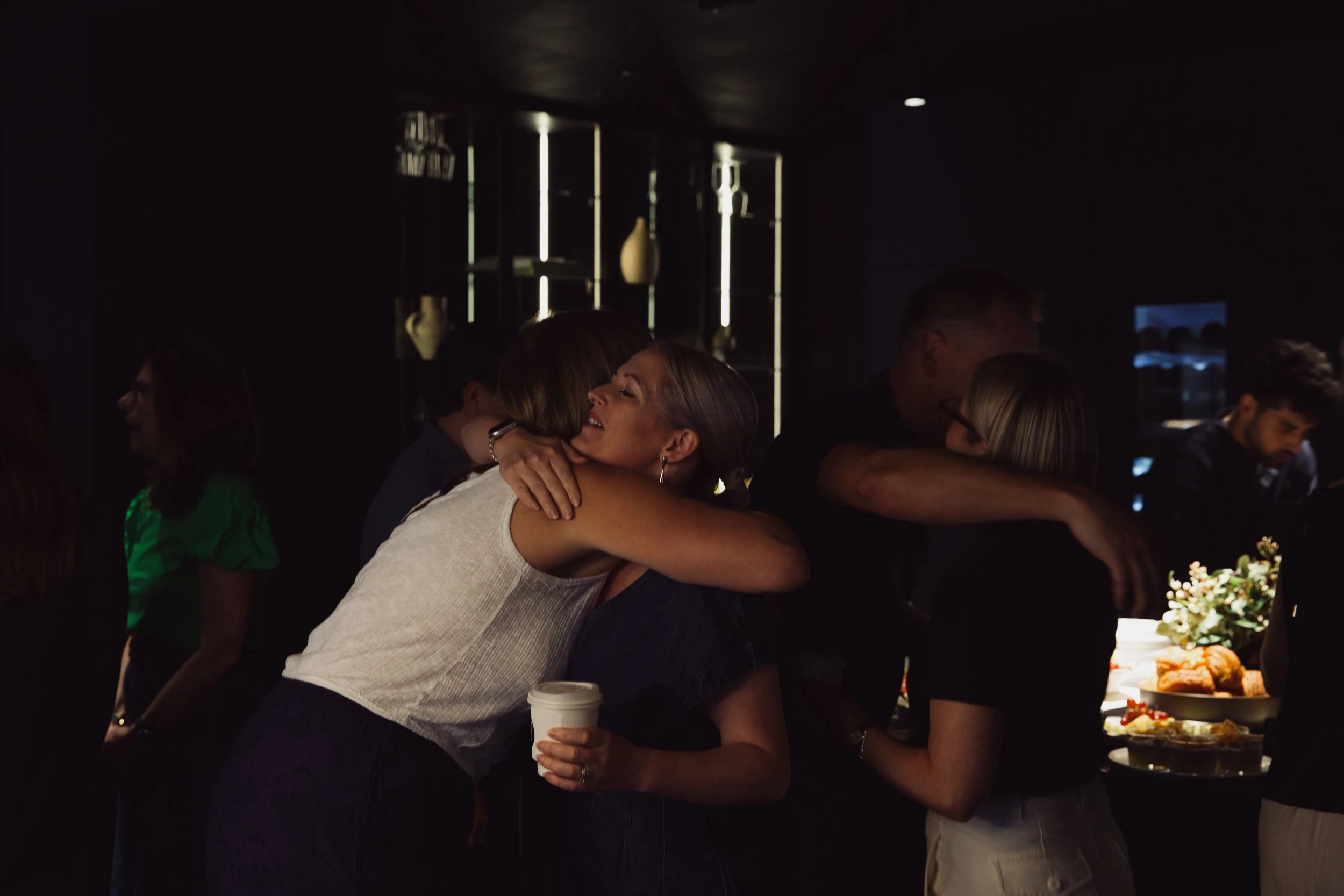
Introductions happened naturally. Designers from opposite ends of the country, and indeed the world, found themselves exchanging ideas, sharing supplier recommendations and laughing over stories that only someone else in the industry could truly appreciate. Before the first speaker had even taken to the stage, the room already felt less like a conference and more like a gathering of peers.
The Community Summit has never been about creating the biggest event in the industry. It has always been about creating the right environment. Small enough for every conversation to feel personal, relaxed enough for meaningful relationships to develop, and intimate enough for everyone to contribute. Looking around the room that morning, it was impossible not to notice how quickly those barriers disappeared. Years in business became irrelevant; what mattered was a shared willingness to learn from one another.
Opening the Summit, Rachel Usher spoke candidly about leadership, resilience and the realities of building a business that not only succeeds commercially but continues to support the life you want to live beyond it. Having spent more than a decade building Usher & Co, Rachel understands that success rarely follows a straight line.
There are moments that look impressive from the outside but feel incredibly difficult whilst you're living through them. There are decisions nobody prepares you for, and seasons where simply staying the course requires extraordinary determination. It was a fitting way to begin two days that would continually return to the human side of business ownership.
One of the greatest privileges of the Community Summit is welcoming speakers who are willing to move beyond polished presentations and speak honestly about the realities behind their success. LuAnn Nigara did exactly that. As LuAnn spoke, the conversation returned time and again to the stories we tell ourselves. That we aren't experienced enough. That someone else is more talented. It became increasingly clear that imposter syndrome isn't something reserved for designers at the beginning of their careers. It follows many of us throughout our professional lives, evolving as our businesses evolve.
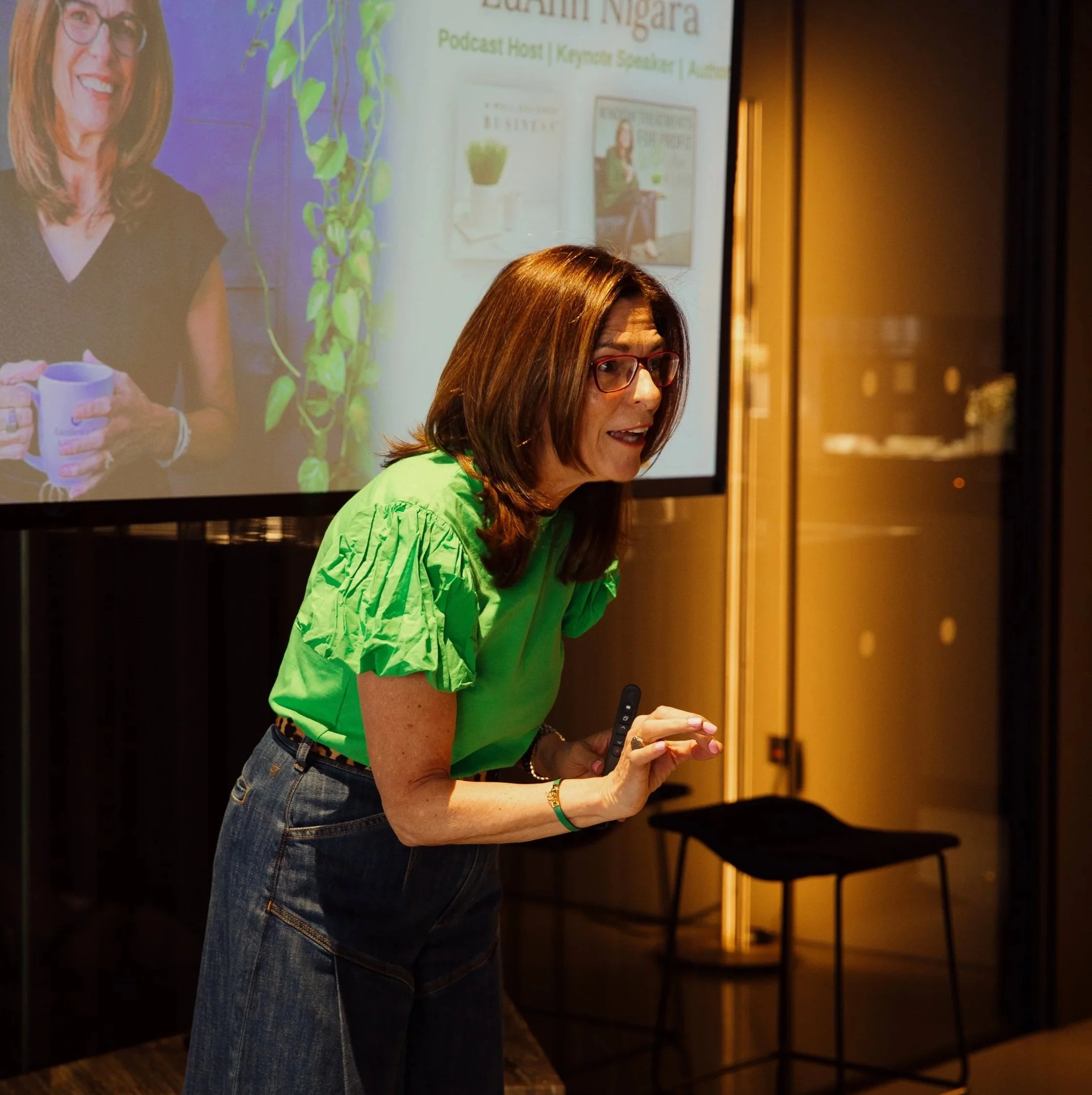
Her session was filled with the warmth and humour that so many know her for, but beneath it was a powerful reminder about recognising your own value. It wasn't simply a conversation about pricing or profitability. It was about confidence, and about understanding that many of the barriers we experience in business are the ones we quietly place in front of ourselves.
Hearing experienced studio founders admit they still wrestled with self-belief was reassuring, not because it solved the problem, but because it reminded everyone in the room they weren't facing it alone.
That openness carried naturally into the rest of the day.
Lunch became less about networking and more about conversation, with guests gathering in small groups to continue discussions that had begun during the morning. New friendships formed over shared experiences, ideas moved easily between studios of every size, and people found themselves speaking with a level of honesty that can be surprisingly rare within our industry.
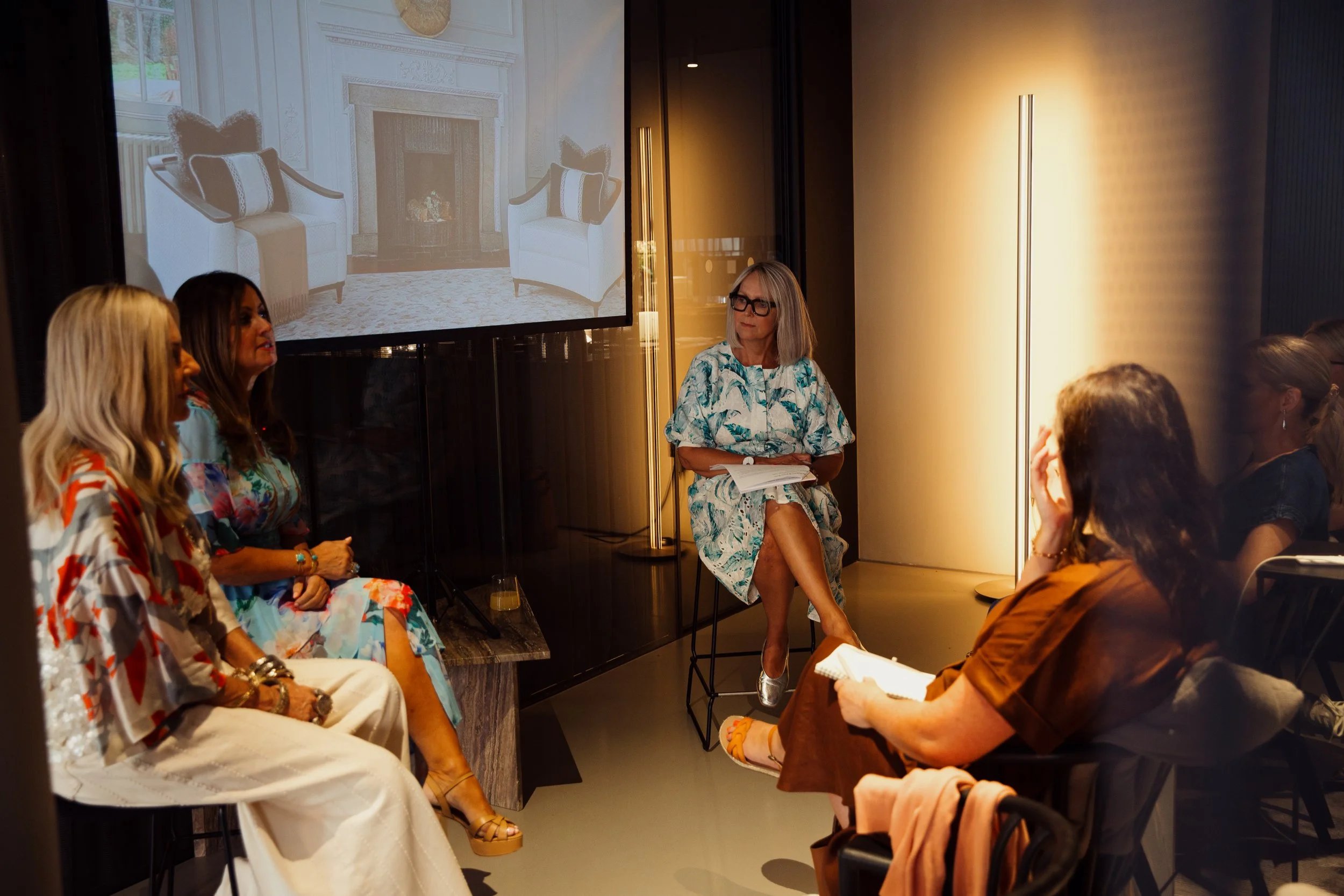
The afternoon shifted towards how we communicate our work beyond the projects themselves. Bilen Zeremariam and Penny Sainsbury offered an insightful discussion on editorial public relations, encouraging everyone to think differently about the stories they tell. Rather than viewing press as something reserved for the industry's biggest names, they reminded us that every studio has a story worth sharing. The homes we design are ultimately about people, and it is often the thinking behind a project, the relationships formed and the problems solved that resonate long after the photographs have been published.
It was another timely reminder that we are often far more critical of our own work than anyone else. How many opportunities have we talked ourselves out of because we assumed we weren't quite ready? How often have we waited until a portfolio felt complete before putting ourselves forward? It was a conversation that extended well beyond public relations and into the broader question of visibility, confidence and recognising the value of what we have already built.
Later in the afternoon, Hill House Interiors joined Rachel for an honest conversation about growing a successful design practice whilst remaining true to the values that shaped it from the beginning. There was no suggestion that there is a single formula for success. Instead, we were reminded that every studio represented in the room had followed a different path, shaped by different ambitions, challenges and definitions of success. It was a reassuring message for a room full of founders who, like all of us, can sometimes find themselves measuring their own journey against somebody else's.
The day concluded with Sally O'Connor of Hesellic Design, whose Q&A drew together many of the themes that had emerged throughout the day. Sally spoke with remarkable honesty about leadership, creativity and the resilience required to navigate an ever-changing industry. What made the discussion so valuable was not that it offered definitive answers, but that it encouraged everyone in the room to keep asking questions. It was a fitting reminder that no matter how experienced we become, there is always something new to learn and another perspective worth hearing.
As the formal programme came to a close, there was little sense that the day had actually finished. Conversations continued as people introduced themselves to speakers they had admired for years, reconnected with familiar faces and made plans to continue discussions later that evening.
Our reception at eba Interiors provided exactly that opportunity. Away from presentations and notebooks, everyone came together over beautifully crafted cocktails in a setting that felt warm, relaxed and entirely unforced. Before long, conversations had moved beyond business. People spoke about their families, the reasons they started their studios, the projects that had shaped them and, in some cases, the moments that had made them question whether they could continue at all.
Those conversations will stay with me for a long time.
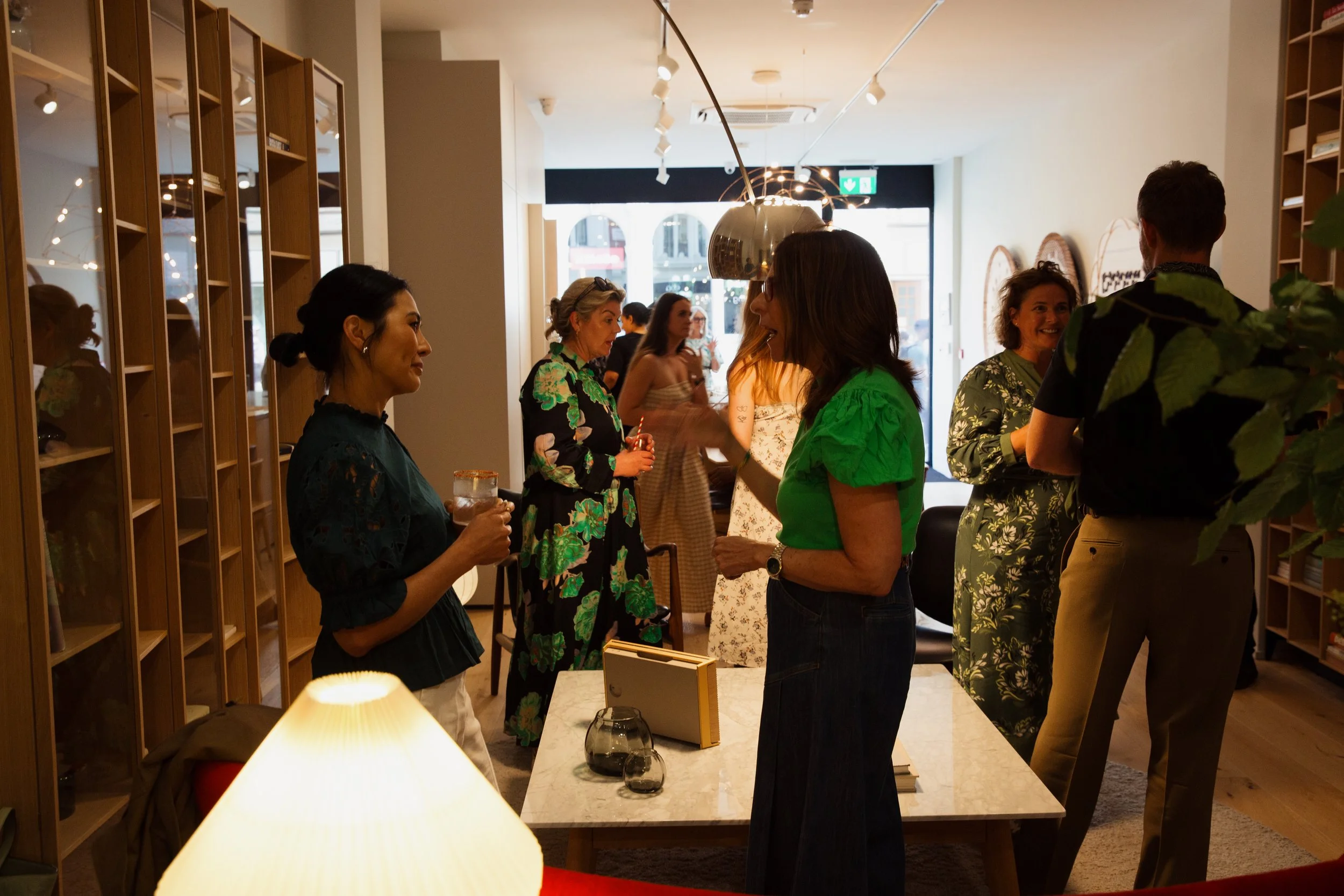
There was an honesty in the room that couldn't have been planned. Founders who had spent years believing they were alone in their challenges discovered that many of the people they admired had experienced exactly the same doubts. Whether it was imposter syndrome, increasing fees, difficult team dynamics or simply the weight of carrying a business, there was a collective sense of relief in realising these weren't individual struggles. They were shared experiences.
As the evening drew to a close, the atmosphere felt noticeably different from when we had all arrived that morning. New friendships had formed, conversations had deepened, and the Community Summit had already achieved something far more important than delivering an exceptional programme. It had reminded thirty-five studio founders that they were part of a community willing to support one another, celebrate one another and, perhaps most importantly, be honest with one another.
The following morning, the conversations resumed almost exactly where they had left off the evening before. Walking into Neptune's Fulham showroom, there was a sense of familiarity that simply hadn't existed twenty-four hours earlier. People who had arrived as strangers were now greeting one another like old friends, eager to continue conversations that had stretched long into the previous evening. It is one of the most rewarding things to witness as an organiser, seeing a room transform from introductions into genuine connection in such a short space of time.
Whilst the first day invited us to reflect on leadership, confidence and resilience, the second turned its attention to the practical realities of building sustainable businesses. One of the sessions that generated some of the most thoughtful discussion centred around finance, with Brian Woulfe and Irene Gunter bringing refreshing honesty to a subject that many creative business owners still find uncomfortable.
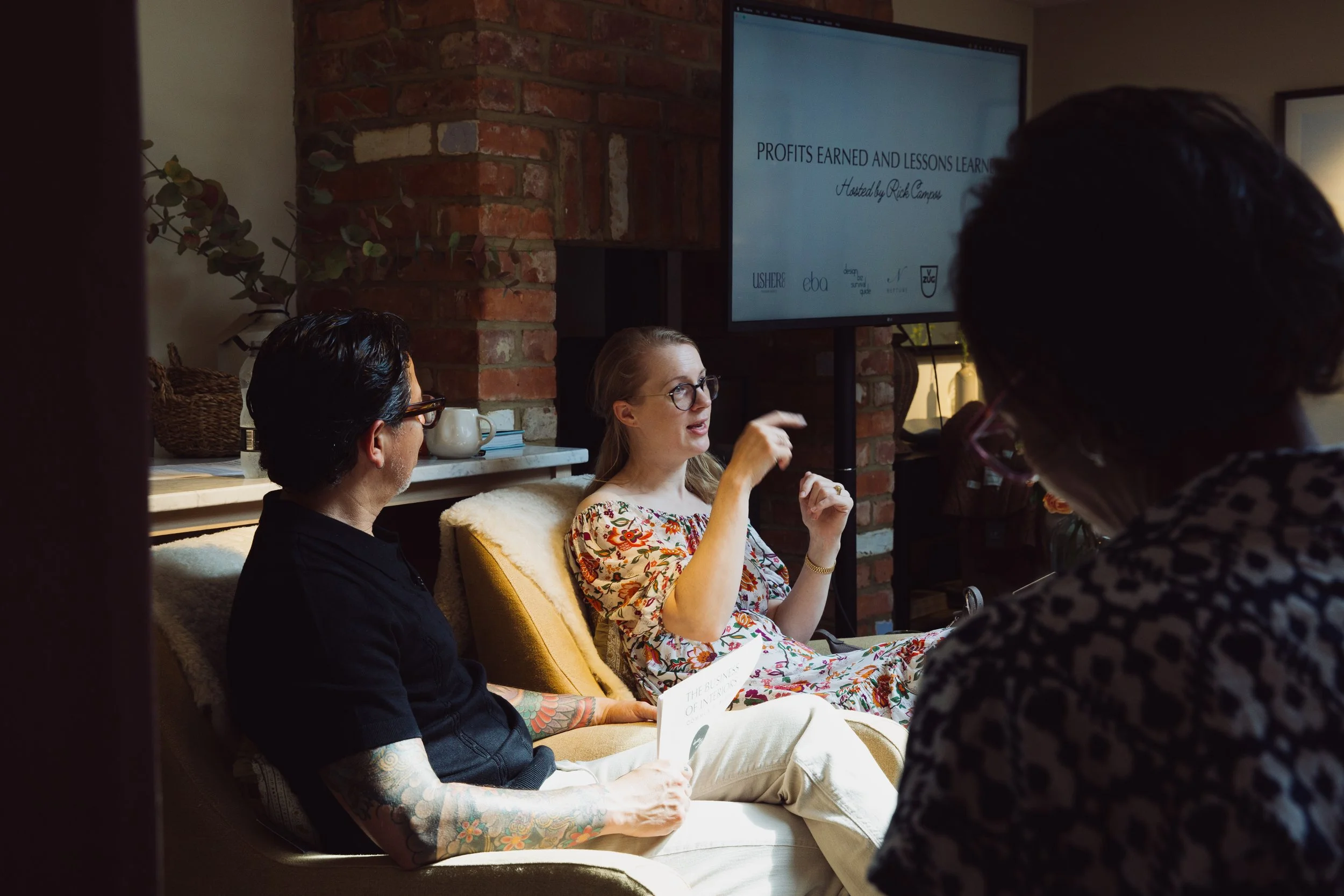
Money has long been treated as something of a taboo within our industry, yet it underpins every decision we make. Pricing, profitability, cash flow and financial planning are not separate from creativity; they are what allow creativity to flourish. Brian and Irene challenged us to think differently about financial confidence, not as something driven by numbers alone, but as the foundation for making clearer, more considered decisions.
It was a timely reminder that creative ambition and commercial responsibility are not opposing forces but essential partners in building businesses that can thrive for years to come.
As with so many of the conversations across the two days, the discussion didn't end when the session did. Over lunch, guests gathered in small groups throughout the showroom, returning to ideas that had surfaced during the morning. There was an ease to those conversations. No formal networking, no pressure to move from table to table, simply the opportunity to spend time with people who understood the realities of leading an interior design studio.
The Summit concluded with Emma and John Sims-Hilditch, whose generosity, humility and wealth of experience provided a fitting close to two extraordinary days. Listening to them reflect on building Sims Hilditch, it was impossible not to admire the longevity of what they have created. Their work is timeless, but so too is their approach to business. Rather than chasing trends or rapid growth, they spoke about consistency, craftsmanship, relationships and the importance of remaining true to your values, principles that echoed so many of the conversations we had shared throughout the Summit.
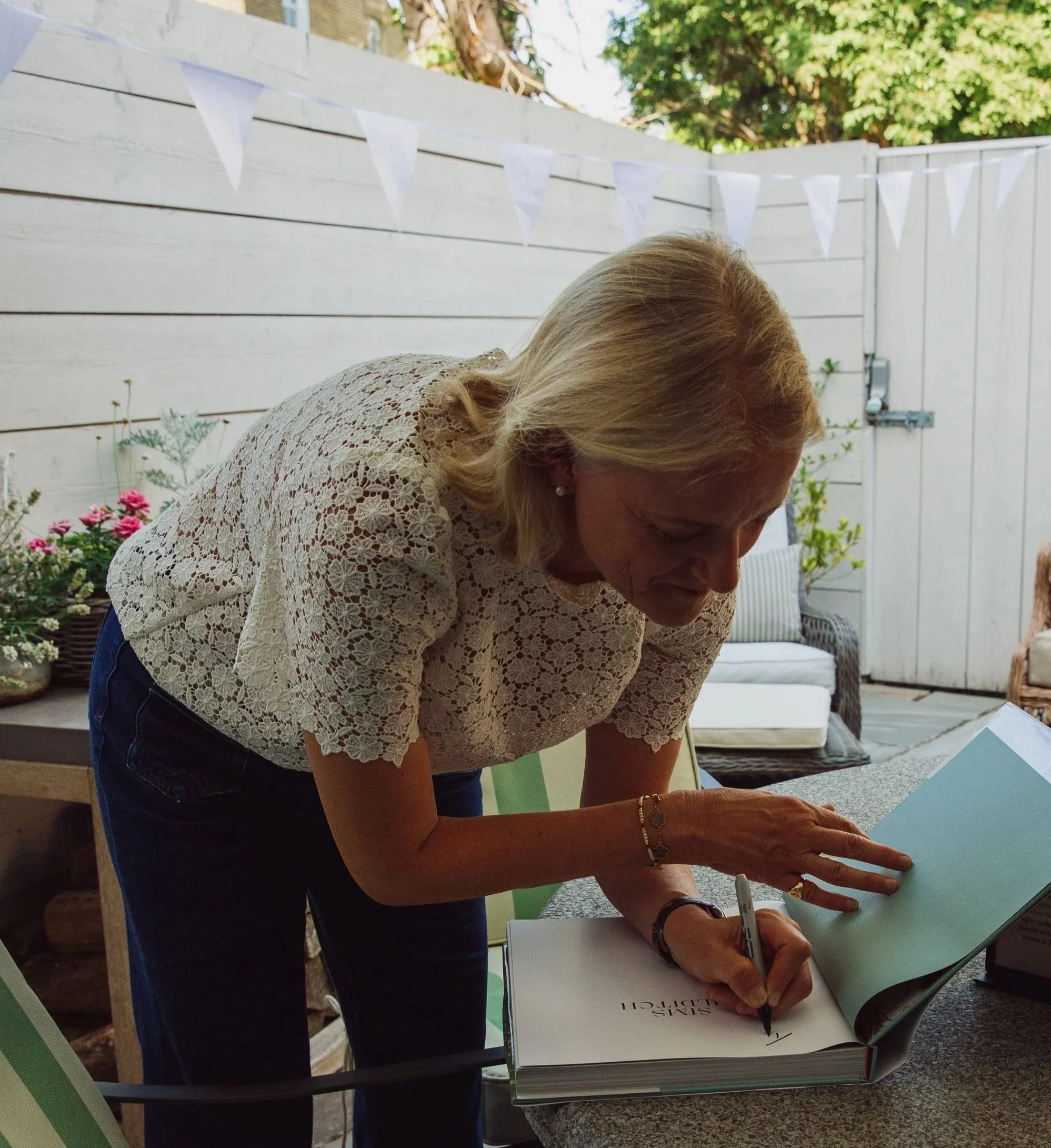
Following their session, Emma and John kindly stayed to sign copies of their beautiful new book, giving guests the opportunity to spend a little more time with them. It was a lovely way to bring the formal programme to a close. Books were signed, photographs were taken and conversations continued just that little bit longer, as nobody seemed quite ready for the experience to end.
Looking back now, it is difficult to pinpoint a single defining moment from this year's Community Summit because its impact wasn't shaped by one keynote or one conversation. It was built through countless smaller moments that, together, became something far more meaningful.
Running a design studio asks a great deal of us. It requires creativity, resilience, commercial awareness and an enormous amount of emotional energy. At times, it can also leave us feeling isolated, particularly when we begin to believe that everyone else has somehow figured it out.
The Community Summit exists to challenge that assumption.
Not because it promises answers, but because it creates space for honest conversations. The kind that remind us every founder, regardless of experience, is still learning, adapting and navigating the challenges that come with building a creative business. What makes this community so special has never been the belief that anyone has perfected the art of running a studio. It is the willingness to share what we've learnt with honesty, generosity and a genuine desire to see one another succeed.
As I reflect on this year's Summit, that is what I feel most grateful for.
To our speakers, who shared their experience with such openness. To our partners at V-ZUG, Neptune, eba Interiors, InteriorNet and High Point Market, whose support and hospitality created such inspiring environments for us to come together. And to every designer who travelled from across the UK and beyond to spend two days investing not only in their business, but in one another.
People often leave the Community Summit with notebooks full of ideas, and I'm sure this year was no exception. But I hope they also left with something far more enduring. The reassurance that the challenges they face are not theirs alone. The confidence to make the next difficult decision. New relationships that will continue long after the event itself. And the knowledge that building a successful business doesn't have to be a solitary pursuit.
If resilience was the thread that ran through this year's Summit, community was what held it all together.
There is something rather remarkable that happens when you gather a room full of people who understand one another without needing much explanation.
For me, that has always been what The Business of Interiors is about.